Beyond the Form: How Web Developers Uncover B2B Market Trends
Published on January 24, 2026
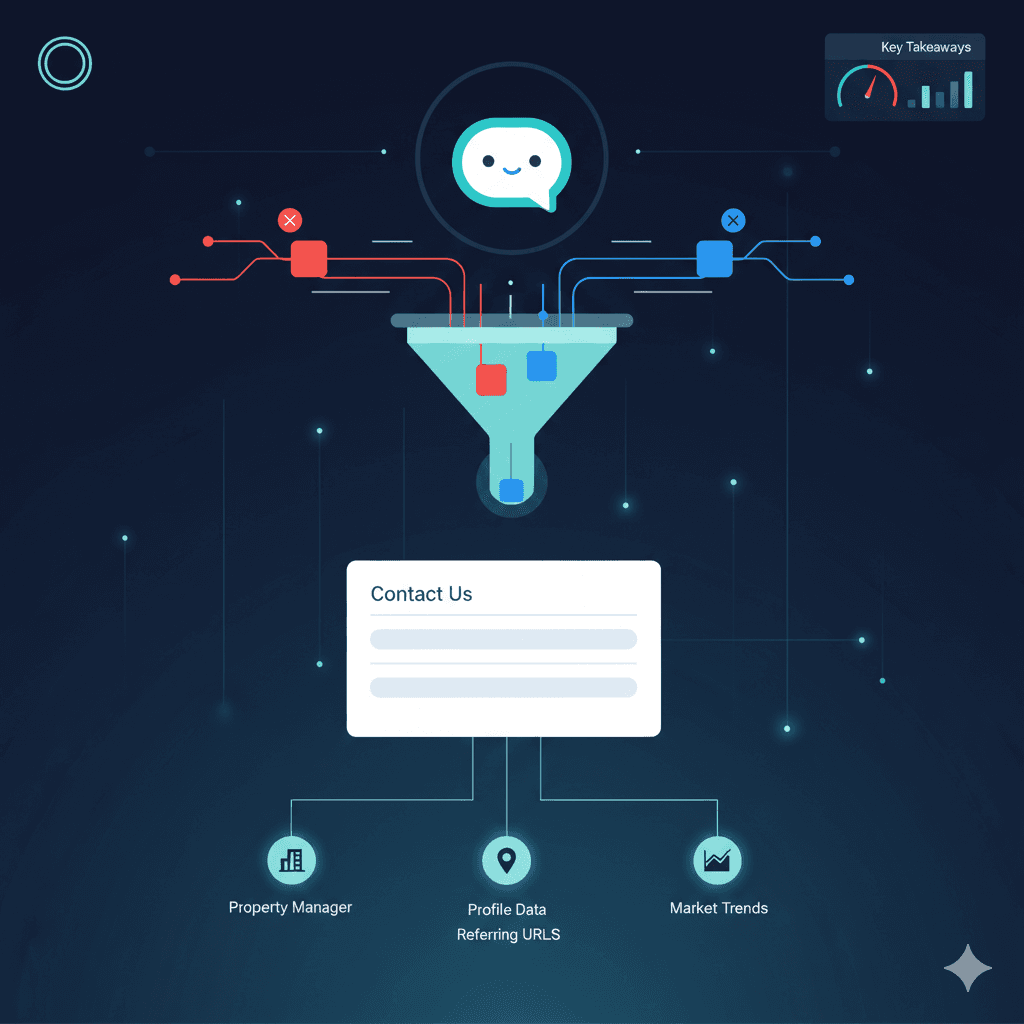
In the world of B2B e-commerce, the "Contact Us" page is often treated as a finish line. But for a web developer focused on performance and SEO, that page is actually a goldmine of data.
At igloo, we manage a global footprint across Singapore, United States, Europe, and other country globally. My role isn't just about making sure the pages load fast; it’s about analyzing the journey a visitor takes before they hit "submit."
Here is how we use technical website architecture and AI interaction to decode what the B2B market actually needs.
1. The AI Chatbot: Protecting the B2B Funnel
We recently implemented an AI chatbot interface right above our contact form. While many see chatbots as simple support tools, from a developer's perspective, this interface acts as a critical gatekeeper for lead quality.
By handling general B2C inquiries—such as basic product knowledge or support requests—the AI ensures that the B2B inquiry form below remains a high-intent channel. This filtering process is vital; it reduces noise for our BD teams and allows us to analyze a much cleaner pool of "Professional" lead data. When a user bypasses the general help of the AI to fill out the form, it’s a strong technical signal of high intent.
The Lesson: Chatbots aren't just for answering questions; they are essential for funnel hygiene, ensuring that our high-value forms are reserved for high-value opportunities.
2. Using "Profile" Data to Spot Regional Trends
Our contact form requires users to select a "Profile"—ranging from Vacation Rental Hosts to System Integrators and Property Developers.
As a developer, I look at the intersection of these profiles and geography. For instance:
Is there a trend of Infrastructure Managers in Europe looking at our padlock solutions?
Are Real Estate Developers in Singapore more focused on our software stack than the hardware itself?
This data allows us to tell our marketing team exactly which B2B industries are currently "warm," even before the Sales/BD team has made the first call.
3. The Power of Referral URLs
Every inquiry submitted through our site carries a "Referring URL." This tells us exactly which page convinced the user to reach out.
If we see that our highest-value B2B leads consistently come from our enterprise software pages (like iglooworks) rather than general product pages, we know exactly where to double down on our SEO and performance efforts. It allows us to optimize the "High-Conversion Paths" that lead professional buyers to our brand.
4. Why Technical Accuracy Matters for B2B
When you're dealing with global B2B clients, friction is the enemy. My focus on website performance directly impacts these leads:
Form Integrity: Ensuring that the "Profile" selection works perfectly every time so that data reaches our BD team without errors.
Referring URL Analysis: Monitoring the entry paths and campaign sources through referring URLs to understand exactly which marketing efforts are resonating with professional buyers.
Speed: A B2B lead is often a busy professional. If the "Contact Us" page lags or the chatbot is slow to respond, that's a lost opportunity.
Key Takeaways
Filter the Noise: Use AI interfaces to handle general B2C queries, ensuring your B2B intake remains high-quality.
Watch the Entry Points: Referring URLs are the most honest indicator of what specific solution or campaign a professional buyer cares about.
Regional Intelligence: Use form profile data to identify which industries are surging in specific global markets.
Performance is UX: For B2B, a fast and reliable form is a trust signal that reflects the reliability of the product itself.
Summary
By analyzing the flow from the first page view to the final chatbot interaction, we can provide the business with the strategic insights needed to catch the next big B2B opportunity.